
My Journey into Central Valley SEO: Unlocking Hidden Opportunities
When I first launched my small business in Fresno, I quickly realized that standing out locally required more than just a good product; it demanded strategic SEO efforts. I remember spending countless hours tinkering with online strategies, feeling overwhelmed by the sheer volume of information. But over time, I discovered some game-changing SEO hacks specific to the Central Valley that truly boosted my local rankings.
Why Local SEO Is a Game Changer for Central Valley Businesses
Living and working in the Central Valley, I’ve seen firsthand how local SEO can make or break a business. Unlike larger markets, our community relies heavily on local search results. Optimizing for local visibility means your business appears right when potential customers are searching for services nearby. According to Moz’s authoritative guide, local SEO involves a combination of Google My Business optimization, local citations, and targeted keywords—things I’ve implemented with great success.
My Favorite Central Valley SEO Hacks You Can Start Today
1. Master Your Google Maps Presence
One of the first things I focused on was optimizing my Google Maps listing. It’s surprisingly simple but incredibly effective. I made sure my NAP (Name, Address, Phone number) was accurate across all platforms and added high-quality photos. For a deep dive into this, I recommend checking out this comprehensive guide.
2. Leverage Local Keywords & Content
I started incorporating local keywords naturally into my website content, blog posts, and service descriptions. Instead of generic terms, I used phrases like “Fresno plumbing services” or “Clovis bakery near me.” This helped Google understand my relevance to the local search queries. Tools like SEMrush or Ahrefs can help identify high-traffic local keywords.
3. Build Genuine Local Citations
Consistent NAP information across directories like Yelp, Yellow Pages, and local chambers of commerce can boost your local authority. I focused on creating accurate citations and ensuring they matched my website’s info. This strategy significantly improved my local pack rankings over time.
How Do I Stay Ahead in Central Valley SEO?
Staying ahead means continuously optimizing and adapting. I make it a habit to monitor my Google My Business insights and review competitor strategies regularly. Also, I keep an eye on recent algorithm updates—Google’s official blog is a valuable resource. Remember, SEO is an ongoing process, not a one-time fix.
What’s the Next Step in Local SEO Mastery?
If you’re serious about dominating your local market, consider exploring advanced tactics like local link building or schema markup. For instance, these tactics can give you a competitive edge.
If you found these insights helpful, I invite you to share your own SEO experiences or ask questions in the comments below. Let’s grow together!
Are You Leveraging Schema Markup to Its Full Potential?
While many local businesses focus on basic SEO tactics, implementing schema markup can significantly enhance your visibility in local search results. Schema helps search engines understand your website content better, which can lead to rich snippets, star ratings, and other enhanced listings that attract clicks. For example, adding local business schema with details like operating hours, reviews, and services can make your listing stand out in the crowded Fresno market.
How Can Local Link Building Elevate Your Authority?
Beyond citations, earning backlinks from reputable local sources can boost your site’s authority and improve rankings. Partnering with local news outlets, sponsoring community events, or contributing guest content to local blogs are effective strategies. These links not only drive traffic but also signal to Google that your business is a trusted part of the community. Remember, quality over quantity is key—focus on relevant, high-authority local links for the best results. For actionable tips, explore this guide on local link building.

Visualizing your schema markup implementation process can clarify how structured data enhances your local SEO efforts. Consider an infographic illustrating schema types relevant to small businesses, such as LocalBusiness, Product, or Service schema, and how they appear in search results.
How Do You Measure the Impact of Your Local SEO Efforts?
Tracking progress is crucial for refining your strategies. Use tools like Google Analytics and Google Search Console to monitor traffic, bounce rates, and conversions from local searches. Pay special attention to your local pack rankings and click-through rates. Regularly reviewing these metrics helps identify what’s working and where adjustments are needed.
What Advanced Tactics Can Further Cement Your Local Presence?
Consider integrating voice search optimization, especially as voice assistants like Siri and Google Assistant become more prevalent among local users. Incorporate natural language keywords and FAQs tailored to voice queries. Additionally, investing in localized video content can engage your audience more effectively and improve dwell time. For a comprehensive overview, visit this resource on maps optimization and adapt these advanced tactics to your business context.
If you’re eager to deepen your understanding of local SEO, I recommend exploring detailed case studies and expert insights available in trusted sources like Moz or Search Engine Journal. And don’t forget—your community is your biggest asset. Share your experiences or ask questions below to foster a helpful local SEO community!
Reflecting on the Nuances of Schema Markup: Beyond the Basics
When I first started experimenting with schema markup, I was content with adding basic LocalBusiness schemas. However, as I delved deeper, I realized that integrating more nuanced schemas like Service, Product, or even Event schemas could significantly elevate my local listings. Implementing these schemas isn’t just a technical task; it’s about understanding how search engines interpret and display your business information. For instance, adding detailed review schemas can enhance your star ratings in search results, making your listing more attractive to potential customers. According to Google’s official structured data guide, rich snippets have proven to increase click-through rates by up to 30%, which is a game changer for local visibility.
How My Local Link Building Tactics Evolved with Community Engagement
Initially, I focused on acquiring backlinks from local directories and chambers of commerce. But over time, I learned that genuine community involvement could be more impactful. Sponsoring local events, hosting workshops, or collaborating with nearby businesses creates natural backlink opportunities. For example, when I sponsored a community clean-up event, the local news covered it—and I gained a high-quality backlink that boosted my authority. These efforts not only improved rankings but also fostered trust within the community, which is invaluable. If you’re curious about effective local link building, check out this resource on local link strategies.
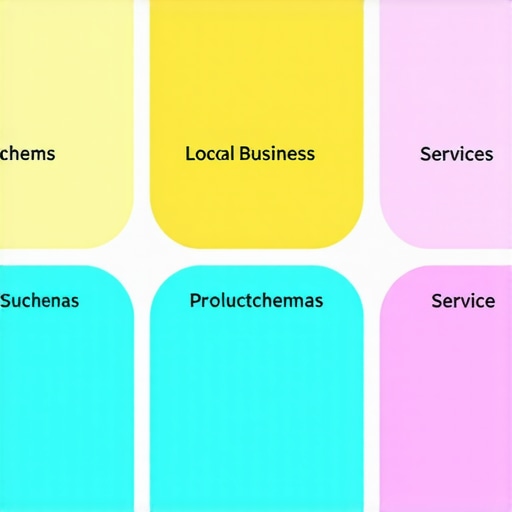
Visualizing your schema markup implementation process can clarify how structured data enhances your local SEO efforts. Consider an infographic illustrating schema types relevant to small businesses, such as LocalBusiness, Product, or Service schema, and how they appear in search results.
What Are the Hidden Challenges When Scaling Local SEO Efforts?
As my business grew, I encountered challenges in maintaining consistency across multiple locations. Managing NAP information, reviews, and local citations became exponentially complex. The key is to implement a centralized system or tool that can keep all your local data synchronized across platforms. I found that using tools like BrightLocal or Moz Local helped me monitor and update citations efficiently. Additionally, I learned that negative reviews can be a double-edged sword—responding promptly and professionally is vital to preserve your reputation. Google’s official blog emphasizes that reputation management is integral to local SEO success. Have you faced similar scaling challenges? Sharing your experiences can help others navigate this complex landscape.
How Do You Sustain Long-Term Local SEO Success?
Consistency is my secret weapon. I set quarterly reviews to update my Google My Business profile, refresh website content with local keywords, and audit citations. Staying informed about algorithm updates or shifts in user behavior—like the rise of voice search—helps me adapt proactively. For example, optimizing for voice search involved incorporating natural language queries into my content, which proved especially effective for local queries. Tools like SEMrush’s Position Tracking or Google Search Console provide invaluable insights on this front. Ultimately, persistent effort, community involvement, and data-driven adjustments create a sustainable local SEO strategy that keeps my Fresno business thriving.
If you’re eager to deepen your local SEO mastery, I encourage exploring case studies and advanced tactics outlined in expert resources like Moz or Search Engine Journal. And remember—your community’s support and engagement are your strongest assets. Share your journey or ask questions below, and let’s continue growing together!
Harnessing Schema Markup for Hyper-Localized Visibility
Implementing schema markup has evolved from a technical checkbox into a strategic lever for dominance in local search. By enriching your website with detailed schemas—such as Service, Product, or even Event schemas—you create a semantic layer that search engines comprehend deeply. This can translate into enhanced rich snippets, star ratings, or even knowledge panels that elevate your business above competitors. For instance, I integrated review schemas with detailed star ratings, which significantly increased my click-through rate, as highlighted by Google’s official guide. The investment in structured data is especially worthwhile considering studies that show rich snippets can boost CTR by up to 30%, a substantial edge for Fresno-based businesses aiming for local prominence.
Elevating Local Authority Through Strategic Link Building and Community Synergy
While citations are foundational, genuine community engagement can catalyze a more authoritative and trusted local presence. My evolution from relying solely on directory links to fostering real community relationships has been transformative. Sponsoring local events, hosting workshops, and collaborating with neighborhood businesses not only generated authentic backlinks but also embedded my brand into the fabric of Fresno’s community. This approach creates a virtuous cycle: community involvement enhances reputation, which in turn attracts more backlinks and positive reviews. An example that proved effective was partnering with local non-profits, which resulted in high-quality backlinks from reputable sources and increased visibility. For a detailed blueprint, explore this guide on local link tactics.
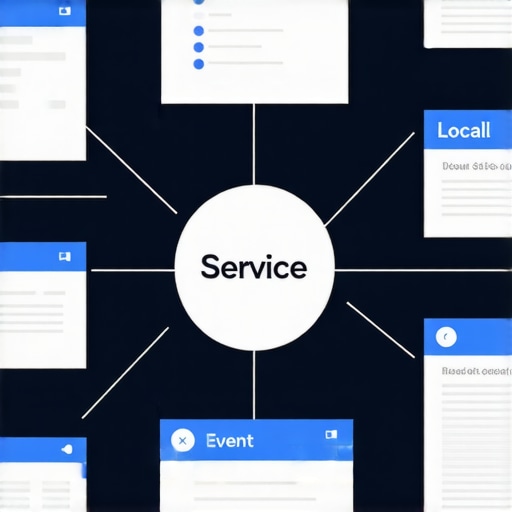
Visualize your schema implementation process with an infographic illustrating schema types relevant to small businesses, such as LocalBusiness, Service, or Event schemas, and how they appear in search results. This visual aid can demystify complex structured data strategies and inspire more comprehensive schema deployment.
Addressing the Elephant in the Room: Scaling Local SEO Without Losing Focus
Scaling presents unique challenges, especially in maintaining NAP consistency across multiple locations. Early on, I faced the frustration of fragmented citations and inconsistent reviews. The solution was adopting centralized tools like BrightLocal, which allowed me to monitor and update citations en masse, preserving data integrity. Additionally, negative reviews pose a reputational threat, but responding promptly and professionally can turn detractors into advocates. Google’s official blog emphasizes that reputation management is integral to local SEO. Have you experienced similar hurdles? Sharing your insights can help others navigate this complex terrain more effectively.
Long-Term Strategies for Sustained Local SEO Success
My approach hinges on persistence and adaptability. Quarterly audits of my Google My Business, website content refreshes infused with local keywords, and ongoing citation audits have become routine. Staying ahead of algorithm changes—like the rise of voice search—requires proactive optimization, such as incorporating natural language queries and FAQs. Tools like SEMrush’s Position Tracking provide invaluable insights, enabling me to adjust strategies before declines occur. Ultimately, a combination of consistent effort, community involvement, and data-driven tweaks creates a resilient, long-term local SEO framework that keeps Fresno businesses thriving amid fierce competition.
Are you ready to elevate your local SEO game? Dive into advanced tactics, share your experiences, or ask questions—let’s harness the full potential of local SEO together and secure your place at the top of Fresno search results!
Things I Wish I Knew Earlier (or You Might Find Surprising)
1. Schema Markup Is More Than Just Technical Details
When I first implemented schema, I thought it was just about adding some code. But as I learned, rich snippets and star ratings can dramatically boost your visibility and click-through rates—something I wish I had focused on from the start. Google’s official structured data guide opened my eyes to the potential here.
2. Local Citations Need Consistency, Not Just Quantity
Early on, I thought listing my business in as many directories as possible was enough. Turns out, matching NAP (Name, Address, Phone) details across all platforms is crucial. Small differences can hurt your local rankings, so double-checking every citation has made a big difference in my experience.
3. Community Engagement Can Be Your Secret Weapon
Partnering with local events and nonprofits has not only built goodwill but also earned me high-quality backlinks. I underestimated how impactful genuine community involvement could be for local SEO until I saw the results firsthand.
4. Voice Search Optimization Is the Next Frontier
With more people using voice assistants, optimizing for natural language queries is becoming essential. Incorporating FAQs and conversational keywords helped me stay ahead of the curve and attract more local traffic.
5. Monitoring Competitors Is as Important as Optimizing Your Site
Keeping an eye on what competitors are doing—like their Google My Business updates or backlink profiles—gives you insights into what works. Regularly reviewing tools like SEMrush has been invaluable for refining my strategy.
6. SEO Is a Continuous Journey, Not a One-Time Fix
Initially, I thought a few tweaks would do the trick. But consistent updates, reviews, and community involvement are what sustain long-term success. Staying engaged and adaptable keeps my Fresno business thriving.
Resources I’ve Come to Trust Over Time
- Moz: Their comprehensive guides on local SEO and Google My Business are my go-to resources for understanding best practices and algorithm updates. I highly recommend their blog for staying informed.
- Search Engine Journal: A trusted source for the latest SEO news, tips, and case studies. It’s helped me keep my strategies fresh and effective.
- Google’s Official Blog: Direct updates from Google about algorithm changes and new features, which are crucial for staying ahead in local SEO.
- BrightLocal: Their tools and guides on citations and reputation management have helped me scale my efforts efficiently.
Parting Thoughts from My Perspective
Fresno’s local SEO landscape is both challenging and rewarding. The key takeaway is that authenticity, consistency, and community engagement truly make a difference. By leveraging tools like schema markup, maintaining accurate citations, and staying connected with your community, you can elevate your local visibility and build trust with your audience. Remember, SEO isn’t a quick fix—it’s an ongoing relationship with your community and search engines alike. If this resonated with you, I’d love to hear your thoughts or experiences. Feel free to share in the comments or reach out directly. Let’s grow our Fresno businesses together!

